Imagine a world where traffic jams are a thing of the past. Seems like a dream, right? But that’s exactly what smart traffic management systems are aiming to achieve. These systems use advanced technologies like AI, IoT, and big data analytics to optimize traffic flow and reduce congestion. It’s like having a super-intelligent traffic cop who never takes a break.
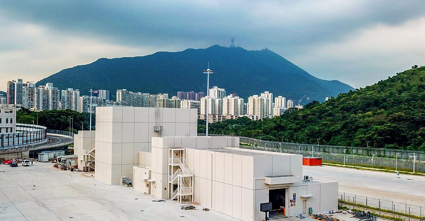
Think about traffic lights that adjust in real-time based on current traffic conditions. It’s not just theoretical; cities around the world are already implementing these smart systems. For instance, adaptive signal control technology can adjust the timing of red, yellow, and green lights to accommodate changing traffic patterns. This means less idling time for vehicles and a smoother commute for everyone. In addition to smart signals, the integration of advanced vehicle inspection equipment ensures that vehicles are compliant with safety regulations, further contributing to efficient traffic management.
And it doesn’t stop at traffic lights. Smart traffic management also includes things like vehicle-to-everything (V2X) communication, which allows cars to communicate with each other and with road infrastructure. This could mean fewer accidents, as cars can warn each other about hazards ahead. All these innovations come together to make our roads safer and our commutes less stressful. Isn’t that something we all could use?
Facial recognition keeps public spaces safer
From airports to concert halls
Facial recognition technology has been making headlines lately, and for good reason. It’s revolutionizing how we think about security in public spaces. Airports, for instance, are using facial recognition to streamline the boarding process. Passengers simply walk through a checkpoint where their face is scanned and matched against their passport photo. This not only speeds up the process but also adds an extra layer of security. Additionally, the use of a body scanner helps in detecting concealed items, thereby enhancing overall security measures.
But it’s not just airports that are benefiting from this technology. Concert halls, sports arenas, and even shopping malls are starting to use facial recognition to enhance security. Imagine going to a concert and knowing that there are systems in place to identify potential threats before they become a problem. It’s a comforting thought, isn’t it?
Of course, there are privacy concerns that come with facial recognition technology. It’s important for companies and governments to use this technology responsibly and transparently. But when used correctly, facial recognition can make public spaces much safer without causing undue inconvenience to law-abiding citizens.
Ai and predictive analytics: the future of crime prevention
Predicting crime before it happens sounds like something out of a sci-fi movie, but it’s becoming a reality thanks to AI and predictive analytics. These technologies analyze vast amounts of data to identify patterns and predict where crimes are likely to occur. It’s like having a crystal ball but way more scientific.
Police departments around the world are starting to use predictive analytics to allocate resources more effectively. For example, if the data shows that a particular neighborhood has a higher likelihood of car thefts on Friday nights, more patrols can be sent to that area during those times. This proactive approach can help prevent crimes rather than just reacting after they occur.
And it’s not just about preventing crimes; it’s also about solving them faster. AI can analyze data from various sources—CCTV footage, social media posts, even weather conditions—to help investigators piece together what happened and who might be responsible. The future of crime prevention is looking smarter every day, thanks to these cutting-edge technologies.
How drones are enhancing security surveillance
Drones aren’t just for hobbyists anymore; they’re becoming essential tools in security surveillance. Equipped with high-definition cameras and even thermal imaging, drones can cover large areas quickly and efficiently. They can go places that traditional surveillance methods can’t reach, making them invaluable for tasks like monitoring large events or patrolling borders.
Imagine a drone flying over a stadium during a big game, keeping an eye on the crowd for any signs of trouble. Or consider border patrol agents using drones to monitor remote areas that are difficult to access by foot or vehicle. These flying devices can provide real-time footage and alerts, allowing authorities to respond swiftly to any potential threats.
But it’s not just about surveillance. Some drones are equipped with loudspeakers and can be used for crowd control or to issue warnings during emergencies. Others have sensors that can detect hazardous materials or even monitor air quality. The versatility of drones makes them an excellent addition to any security toolkit.
See also: The Student’s Tech Guide: Balancing Online Learning and Mental Well-being
The role of autonomous vehicles in transportation safety
Autonomous vehicles are no longer just a futuristic concept; they’re here and they’re transforming transportation safety in profound ways. These self-driving cars come equipped with an array of sensors—radar, lidar, cameras—that allow them to navigate roads safely without human intervention.
One of the most significant benefits of autonomous vehicles is their potential to reduce accidents caused by human error. Think about it: no more distracted driving, no more drunk driving, no more speeding tickets because the car didn’t see the speed limit sign. Autonomous vehicles follow traffic rules meticulously and react faster than any human could.
Moreover, these vehicles can communicate with each other through V2X technology, sharing information about road conditions, traffic jams, and even potential hazards. This kind of communication can make roads safer by preventing accidents before they happen. The role of autonomous vehicles in enhancing transportation safety is undeniable; they represent a significant step forward in making our commutes not just easier but also much safer.