In the sun-drenched campuses of Australia, the “university experience” has undergone a radical digital transformation. Gone are the days when a student’s only stress was finding a park at Monash or securing a front-row seat at a UQ lecture. Today, the laptop screen is the campus. While the flexibility of online learning is a boon for many, it has introduced a silent epidemic: digital burnout. As we navigate 2026, the intersection of educational technology and mental health has become the most critical frontier for students across the country.
The Digital Paradox: Flexibility vs. Fatigue
The convenience of “pajama learning” comes with a hidden cost. Research from the University of Melbourne (2025) reveals a concerning trend: over 58% of students struggling with poor mental health have questioned the value of their degree, compared to just 34% of the broader student population. The lack of a physical “disconnect” between study and home life often leads to a perpetual state of cognitive load.
For many, the sheer volume of digital deliverables can be overwhelming. This is particularly true for those juggling part-time work and full-time study. To manage this pressure, many local students have turned to professional assignment help Australia services to reclaim their time and protect their mental headspace. By outsourcing high-stakes research or complex formatting, students can shift their focus back to active learning and self-care, reducing the 24/7 “screen-on” anxiety that defines the modern semester.
Hard Truths: The 2024-2025 Mental Health Landscape
Statistics paint a sobering picture of the Australian tertiary sector. According to the National Report Card (2024), psychological distress among young Australians aged 16-24 has surged, with prevalence rates hitting 38.8%—a significant jump from previous decades.
| Metric | Statistical Insight (Australia 2024-25) | Source |
| High Study Stress | 88% of students experienced significant stress in the last 12 months | ReachOut Australia |
| Burnout Risk | 1 in 3 secondary/tertiary students report high anxiety/depression | University of Adelaide |
| Dropout Consideration | 43.4% of students with low wellbeing have considered quitting | USW Project |
| Loneliness Index | 93% of international students report moderate to high loneliness | Educonnect 2025 |
Navigating the IT Burden
For students in technical streams, the mental health challenge is often compounded by the complexity of the curriculum. Whether it’s debugging a Python script at 3:00 AM or trying to wrap your head around cloud architecture, the technical barrier to entry is high. The frustration of a “broken code” isn’t just an academic hurdle; it’s a mental one.
When the technical demands exceed the available hours in a day, seeking IT assignment help can be a strategic move. Specialized support in areas like database management, cybersecurity, or software development allows students to bypass the “stuck” phase that often leads to total academic paralysis. This proactive approach ensures that a single difficult module doesn’t become the catalyst for a mental health spiral.
See also: Domain Authority 8888987685 With Technical SEO
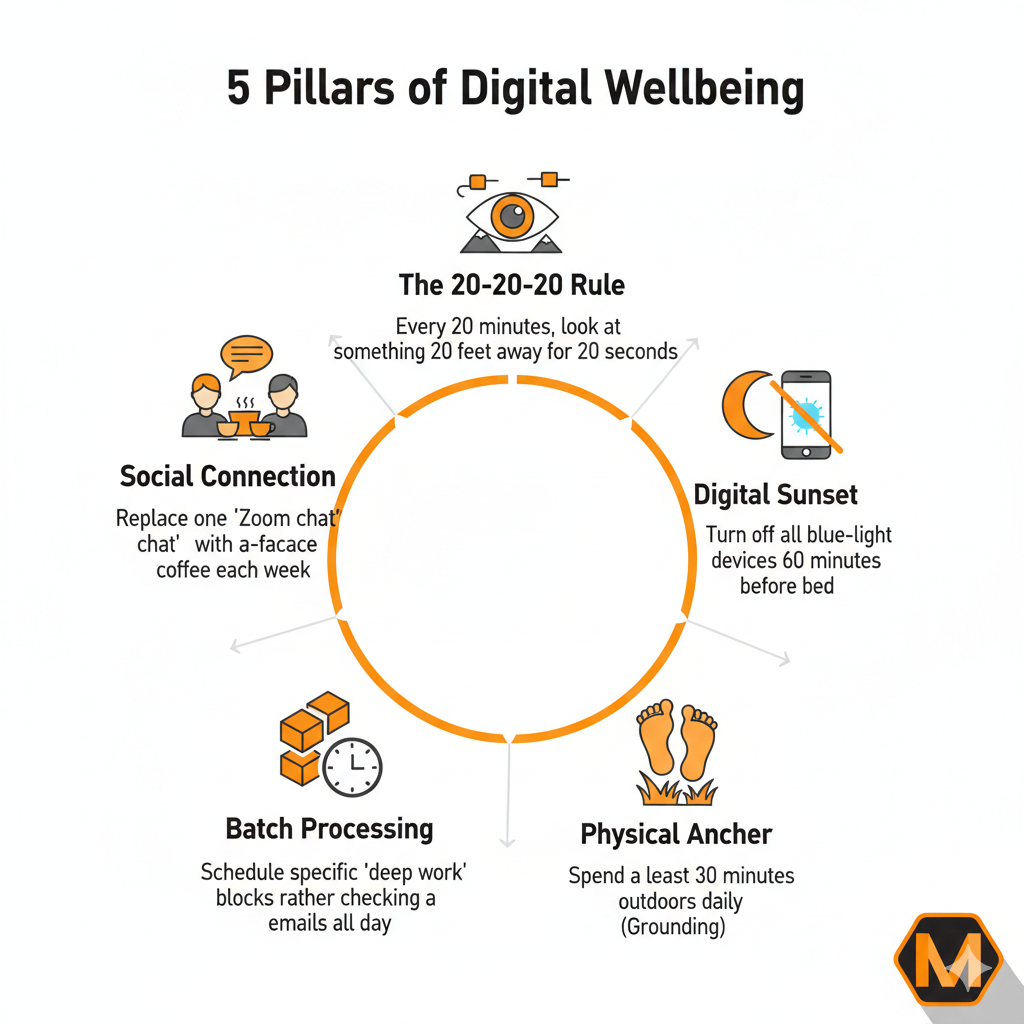
5 Pillars of Digital Wellbeing
Strategies for Staying Level-Headed
To survive and thrive in a tech-heavy academic environment, Australian students must adopt a “Health-First” tech stack:
- Audit Your Notifications: Your phone is a tool, not a master. Disable non-essential pings.
- Establish a “Study Zone”: Even in a small Sydney studio, have one chair or desk that is only for work. When you leave that chair, the “work” brain turns off.
- The “Human” Support Network: Don’t rely solely on AI or automated portals. Utilize university counseling services like Headspace or peer-mentorship programs.
FAQs: Maintaining the Balance
Q: How do I know if I’m burnt out or just tired?
A: Tiredness goes away with a good night’s sleep. Burnout is characterized by emotional exhaustion, “brain fog,” and a lack of interest in subjects you used to enjoy.
Q: Is it “cheating” to get academic support?
A: Seeking mentorship or professional guidance is a standard part of professional life. Using academic support services as a study aid to understand complex concepts is a legitimate way to manage workload and improve learning outcomes.
Q: What is the best app for student mental health?
A: Many Australian unis provide free access to TalkCampus or Smiling Mind. These are great for daily mindfulness.
References
National Mental Health Commission (2024). National Report Card on Mental Health and Suicide Prevention.
University of Melbourne (2025). Survey on Student Satisfaction and Retention in Higher Education.
University of Adelaide (2025). Resilient Youth: State of the Nation Report.
ReachOut Australia (2024). Annual Study Stress Research Findings.
Author Bio
Lachlan McKenzie is a Senior Content Strategist and EdTech advocate based in Melbourne with over a decade of experience in the Australian higher education sector. Currently representing MyAssignmentHelp, Lachlan focuses on the intersection of digital literacy and student welfare, helping learners navigate the complexities of the modern digital classroom without compromising their mental health.