Introduction
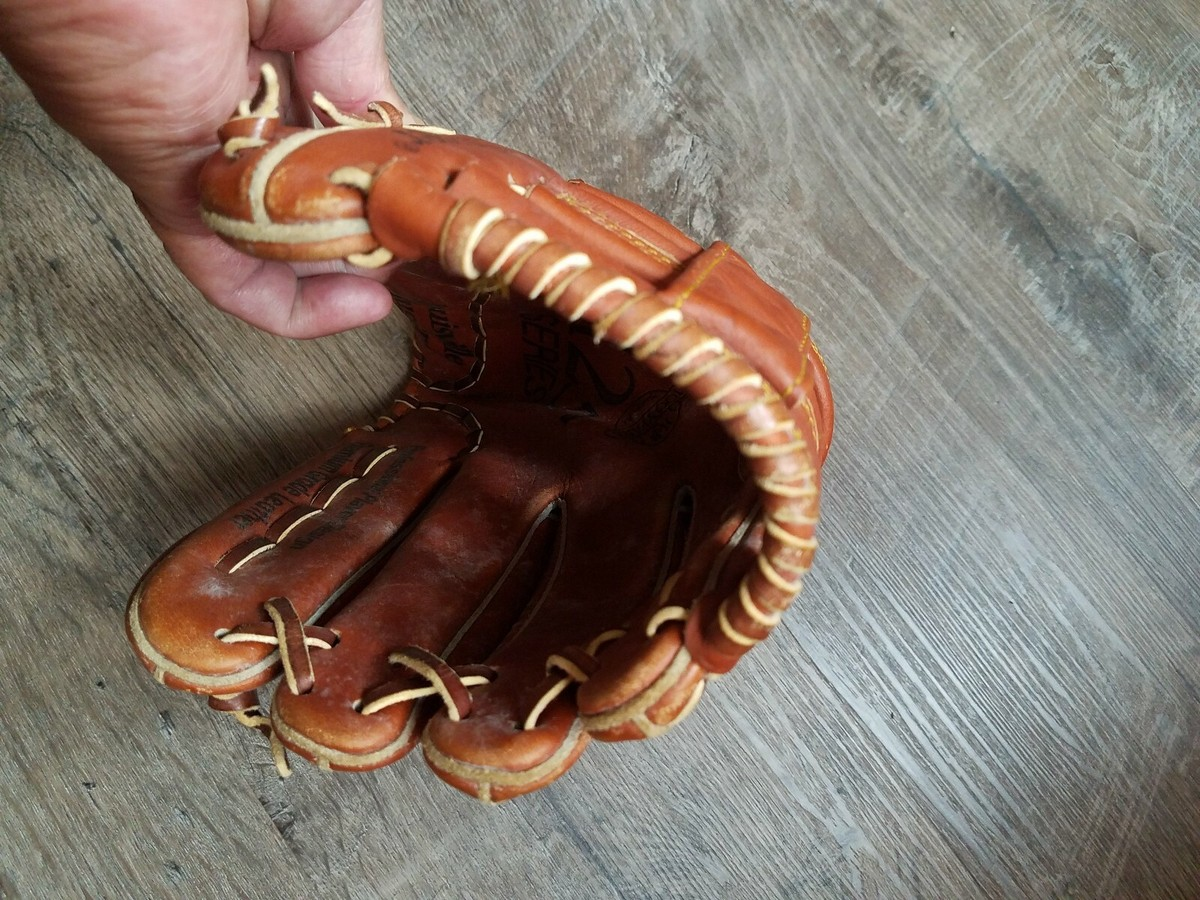
At first glance, softball and baseball may look like nearly identical sports, but anyone who has played both knows the equipment differences are important. One of the most commonly compared pieces of gear is the glove. While both serve the same basic purpose—catching and fielding the ball—their design, size, and structure vary significantly to match the demands of each sport.
Understanding these differences is essential for players, parents, and coaches who want to choose the right equipment. Even high-quality baseball gloves are designed with different performance expectations compared to softball gloves, making it important to know what works best for each game.
This guide breaks down the key differences between softball and baseball gloves so you can make an informed choice.
Ball Size: The Main Reason for Glove Differences
The most important reason softball and baseball gloves differ is the size of the ball used in each sport.
A standard baseball is smaller, measuring about 9 inches in circumference. A softball, on the other hand, is significantly larger, typically around 11 to 12 inches depending on the league.
Because of this difference, softball gloves must have a larger pocket to properly secure the ball. Baseball gloves are designed for smaller balls and quicker transfers.
This single factor influences almost every design decision in glove manufacturing.
Size of the Glove
One of the most noticeable differences between the two gloves is their overall size.
Baseball gloves are generally smaller, ranging from about 9 to 12.75 inches depending on the position. Infield gloves are the smallest, while outfield gloves are slightly larger to help catch fly balls.
Softball gloves are larger across the board. Most range from 12 to 13.5 inches because players need more surface area to handle the bigger ball.
This size difference helps softball players secure catches more effectively and reduces the chance of the ball slipping out of the glove.
Pocket Depth and Design
The pocket of a glove is where the ball is secured after a catch, and this is another major difference between softball and baseball gloves.
Softball gloves feature deeper pockets to accommodate the larger ball. This helps prevent the ball from popping out during impact, especially on fast throws or diving catches.
Baseball gloves, in contrast, often have shallower pockets, especially for infield positions. This allows players to transfer the ball quickly from glove to hand, which is critical in fast-paced plays.
The difference in pocket design reflects the different pace and style of each sport.
Webbing Styles
Webbing refers to the material between the thumb and fingers of the glove. It plays an important role in ball control and visibility.
Softball gloves often use closed or tightly woven web designs. This helps secure the larger ball and provides extra stability during catches.
Baseball gloves offer more variety in webbing styles, including open webs like I-web or H-web designs. These allow players to see through the glove, which is especially useful for infielders who need quick reaction time.
Outfield baseball gloves, however, often use deeper and more secure web designs similar to softball gloves.
Position-Specific Design Differences
Both sports use position-specific gloves, but the requirements differ slightly due to the nature of each game.
In baseball, infield gloves are small and lightweight to allow fast transfers, while outfield gloves are larger for catching fly balls. Catcher’s mitts are heavily padded to handle high-speed pitches.
In softball, gloves are generally larger across all positions. Even infield gloves are bigger than their baseball counterparts because of the larger ball size.
Outfield softball gloves are especially large and deep to ensure secure catching of high arcs and long hits.
Material and Durability
Both softball and baseball gloves are made from similar materials, but durability expectations can differ.
High-quality leather is commonly used in both, offering flexibility and long-term durability. However, softball gloves often require slightly more reinforcement due to the increased stress from catching larger and heavier balls.
Synthetic gloves are also available in both sports, but they are more commonly used by beginners due to their affordability and lighter weight.
Even premium baseball gloves and softball gloves go through similar break-in processes, but softball gloves may take slightly longer due to their larger structure.
Break-In Process
Breaking in a glove is an important part of preparing it for use. Both softball and baseball gloves require this step, but the process can differ slightly.
Softball gloves often take longer to break in because of their larger size and deeper pockets. Players usually use glove oil, repeated catching, and shaping techniques to form the pocket.
Baseball gloves typically break in faster, especially infield models, which are smaller and more flexible.
A properly broken-in glove improves comfort, control, and performance in both sports.
Weight and Flexibility
Weight is another key difference between the two types of gloves.
Baseball gloves are generally lighter and more flexible, allowing for quick movements and faster reactions. This is especially important for infield players who need to react within seconds.
Softball gloves are slightly heavier due to their larger size and deeper construction. However, modern designs use lightweight materials to maintain balance and reduce hand fatigue.
Despite the weight difference, both types are designed to maximize performance based on the sport’s needs.
See also: Planning a Backyard Renovation: Where to Start and What to Prioritize
Skill Level Considerations
Beginners in both sports often start with more flexible, easy-to-use gloves. These gloves are typically made from synthetic materials and require less break-in time.
As players advance, they transition to higher-quality leather gloves that offer better control, durability, and performance.
Softball players may prioritize larger gloves earlier in their development due to the size of the ball, while baseball players often focus on position-specific specialization.
Which One Should You Choose?
Choosing between a softball glove and a baseball glove depends entirely on the sport you are playing. While they may look similar, using the wrong glove can negatively affect performance.
If you are playing softball, a larger glove with a deeper pocket is essential for handling the bigger ball. If you are playing baseball, a smaller, more precise glove is better suited for quick plays and faster transfers.
Even though baseball gloves and softball gloves share similarities, they are not interchangeable for competitive play.
Final Thoughts
Softball and baseball gloves may serve the same basic purpose, but their differences are carefully designed to match the unique demands of each sport. From size and pocket depth to webbing style and material, every feature plays a role in performance.
Understanding these differences helps players choose the right equipment, improve their skills, and perform better on the field.
Whether you are stepping onto a softball diamond or a baseball field, selecting the right glove ensures better control, comfort, and confidence every time you make a play.